Editorial comparison
Best ADHD Books for Parents of Adults
A careful shortlist for parents of adults who want to understand ADHD patterns, support autonomy, and stop repeating rescue, blame, or over-management loops.
Parents of adults with ADHD need a different kind of book than parents of children. The goal is not to control routines, diagnose from a distance, or take over daily life. The goal is to understand patterns, communicate with respect, and support autonomy.
This page avoids family-blame framing. It focuses on books that help parents replace rescue loops with clearer conversations, boundaries, and practical support.
If you are a parent of an adult with ADHD, choose by the support need: adult ADHD basics, late-diagnosis context, boundaries, emotional regulation, or practical systems.
Quick picks
Use this shortlist if you want the fastest way to match a book to the failure point that is costing you the most.
| Best for | Book | Why it stands out |
|---|---|---|
| Best adult ADHD foundation | Taking Charge of Adult ADHD Russell A. Barkley | Best when the parent needs a structured adult ADHD overview. |
| Best for late-diagnosis context | Unmasking Adult ADHD John Lindberg | Best when years of hidden effort, masking, or shame need a new frame. |
| Best friendly explainer | How to ADHD Jessica McCabe | Best if the parent needs accessible language before practical conversations. |
| Best if overwhelm is driving family conflict | Stop the Spiral John Lindberg | Useful when emotional load, shutdown, and recovery windows matter. |
| Best for practical self-management systems | The Practical ADHD Time Management Toolkit John Lindberg | Useful when the adult wants systems for time visibility and follow-through. |
How I chose these books
These pages are trying to be useful, not perform fake objectivity or catalog hype.
- The book had to focus on adult ADHD or be adaptable to adult support.
- It had to avoid treating the parent as the manager of another adult's life.
- It had to support autonomy, boundaries, and respectful communication.
- It had to be useful without making medical or diagnostic claims from the family side.
1. Taking Charge of Adult ADHD
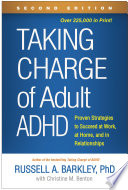
Taking Charge of Adult ADHD
Russell A. Barkley · Best for: understanding adult ADHD without guessing
A strong foundation for parents who need an adult ADHD framework rather than child-focused advice.
Parents often find plenty of child-focused ADHD advice, but adult ADHD needs a different frame.
This book is useful when the parent wants a clearer understanding of adult patterns before offering support or advice.
Choose this if
- you need adult ADHD basics
- you want less guessing
- you need a structured foundation before family conversations
Not ideal if
- you want a short partner or family script guide
2. Unmasking Adult ADHD
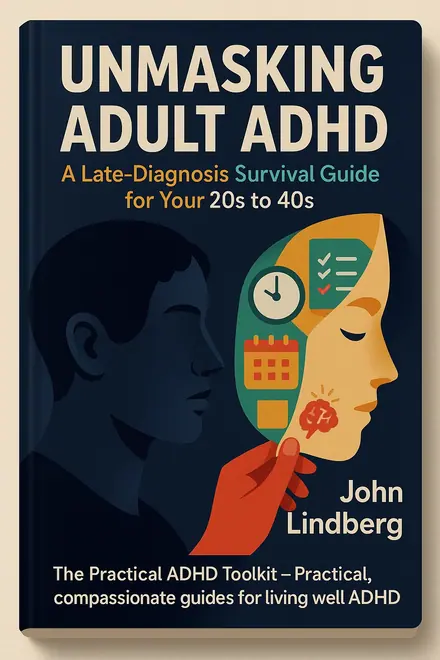
Unmasking Adult ADHD
John Lindberg · Best for: late diagnosis, masking, and hidden effort
A useful first read when the adult child's ADHD story includes years of self-blame, masking, or misunderstood effort.
Late diagnosis often changes the family story. Behaviors that looked like inconsistency or avoidance may need a more accurate explanation.
This book helps parents understand hidden effort without turning that understanding into pressure or rescue.
Choose this if
- diagnosis came in adulthood
- old patterns need a new frame
- you want to reduce blame in family conversations
Not ideal if
- you need practical scheduling tools first
Related reads
3. How to ADHD
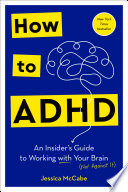
How to ADHD
Jessica McCabe · Best for: accessible language and empathy
A low-friction overview when the parent needs practical language without a dense textbook feel.
This is useful when a parent wants a more human entry point into ADHD patterns.
It can help the conversation move away from simple advice like try harder and toward supports that match how ADHD actually behaves.
Choose this if
- you need an easier first read
- you want language for conversation
- dense clinical books would stall
Not ideal if
- you need a family-boundaries book specifically
4. Stop the Spiral

Stop the Spiral
John Lindberg · Best for: overwhelm, shutdown, and emotional recovery
Useful when family conversations are affected by overload, shutdown, or long recovery after stress.
Support can go badly when everyone talks as if the issue is only planning. Sometimes the first need is lower emotional load and a better recovery path.
This book helps when stress, sensory load, or emotional spikes keep making family conversations harder.
Choose this if
- overwhelm drives family conflict
- shutdown makes practical talk impossible
- recovery needs to come before advice
Not ideal if
- you need the adult ADHD foundation first
5. The Practical ADHD Time Management Toolkit
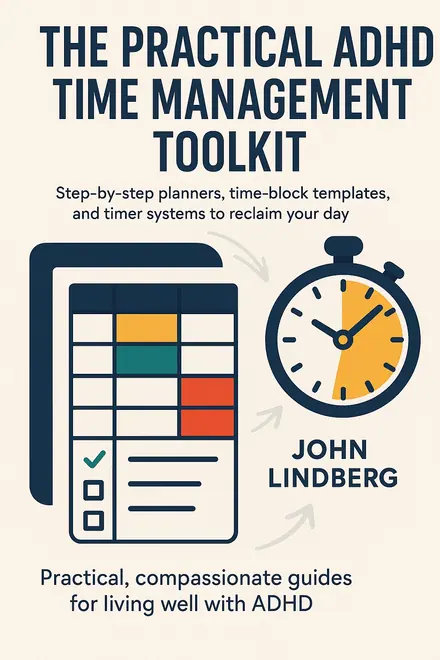
The Practical ADHD Time Management Toolkit
John Lindberg · Best for: adult-owned time systems
A good practical option when the adult wants systems for visibility, checkpoints, and follow-through that they own themselves.
Parents can suggest support, but the adult has to own the system.
This book fits when the useful next step is a lighter time-management system rather than more reminders from family.
Choose this if
- the adult wants practical tools
- time blindness is a known pain point
- external reminders are creating tension
Not ideal if
- the adult has not asked for systems help
How to choose the right first book
If you want the short version, use this as your decision shortcut.
- Pick Taking Charge of Adult ADHD if you need the adult ADHD foundation first.
- Pick Unmasking Adult ADHD if late diagnosis or masking changed the family story.
- Pick How to ADHD if you need an accessible first explanation.
- Pick Stop the Spiral if overwhelm and shutdown affect family conversations.
- Pick The Practical ADHD Time Management Toolkit only when the adult wants practical systems support.
FAQ
These are the short answers to the questions readers usually ask before buying.
What is the best ADHD book for parents of adults?
Start with Taking Charge of Adult ADHD if you need adult ADHD basics. Start with Unmasking Adult ADHD if late diagnosis, masking, and shame are central to the family story.
Should parents manage an adult child's ADHD systems?
Usually no. Support works better when it respects autonomy. Offer resources, ask what kind of support is wanted, and avoid turning reminders into control.
Can these books diagnose ADHD?
No. They can help with understanding and practical support, but diagnosis and treatment questions belong with qualified professionals.
John Lindberg books that fit this comparison
These are the site-owned books that match this problem closely enough to compare directly.
Helpful guides before you choose
Use these if you want a shorter explanation before deciding which book is worth buying.
Related topics
If you want to understand the broader pattern before comparing books, use these topic hubs.
Amazon catalog
If you want to compare the full John Lindberg catalog instead of staying inside this one editorial page, use the Amazon author store.
Ready to compare the catalog against your real bottleneck?
Use the shortlist above if you want an honest editorial comparison, then move to the John Lindberg title that best fits what keeps breaking first.